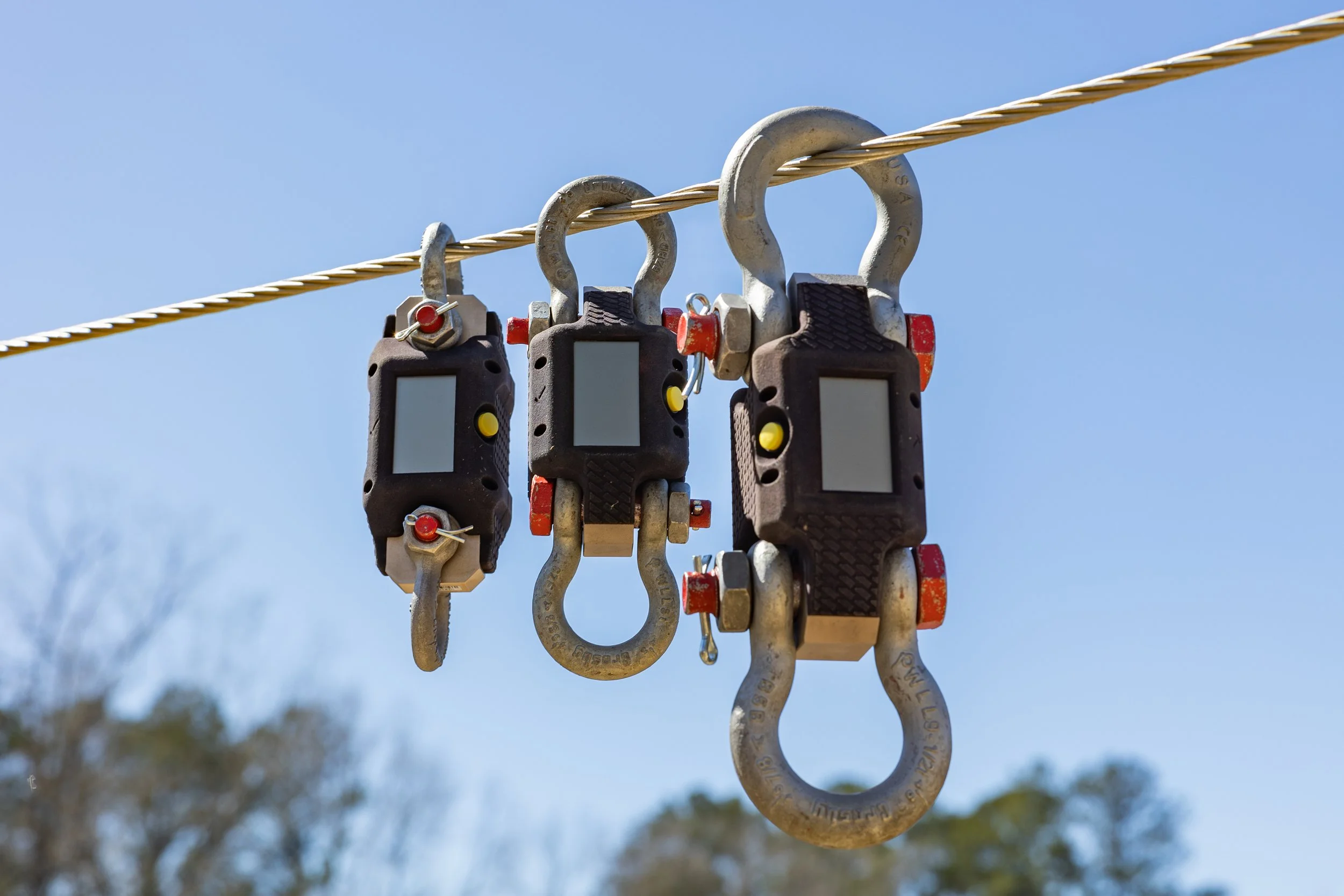
Conductor Sag & Tension
Understanding, measuring, and controlling conductor behavior in overhead power lines.
Overview
Sag and tension define how overhead conductors behave under load. They affect clearance, safety, structural stress, and long-term reliability across both transmission and distribution systems.
Improper sag and tension can lead to clearance violations, excessive mechanical loading, accelerated asset degradation, and increased maintenance risk. Accurate measurement and control are therefore critical during both construction and ongoing maintenance.
What Are Sag and Tension?
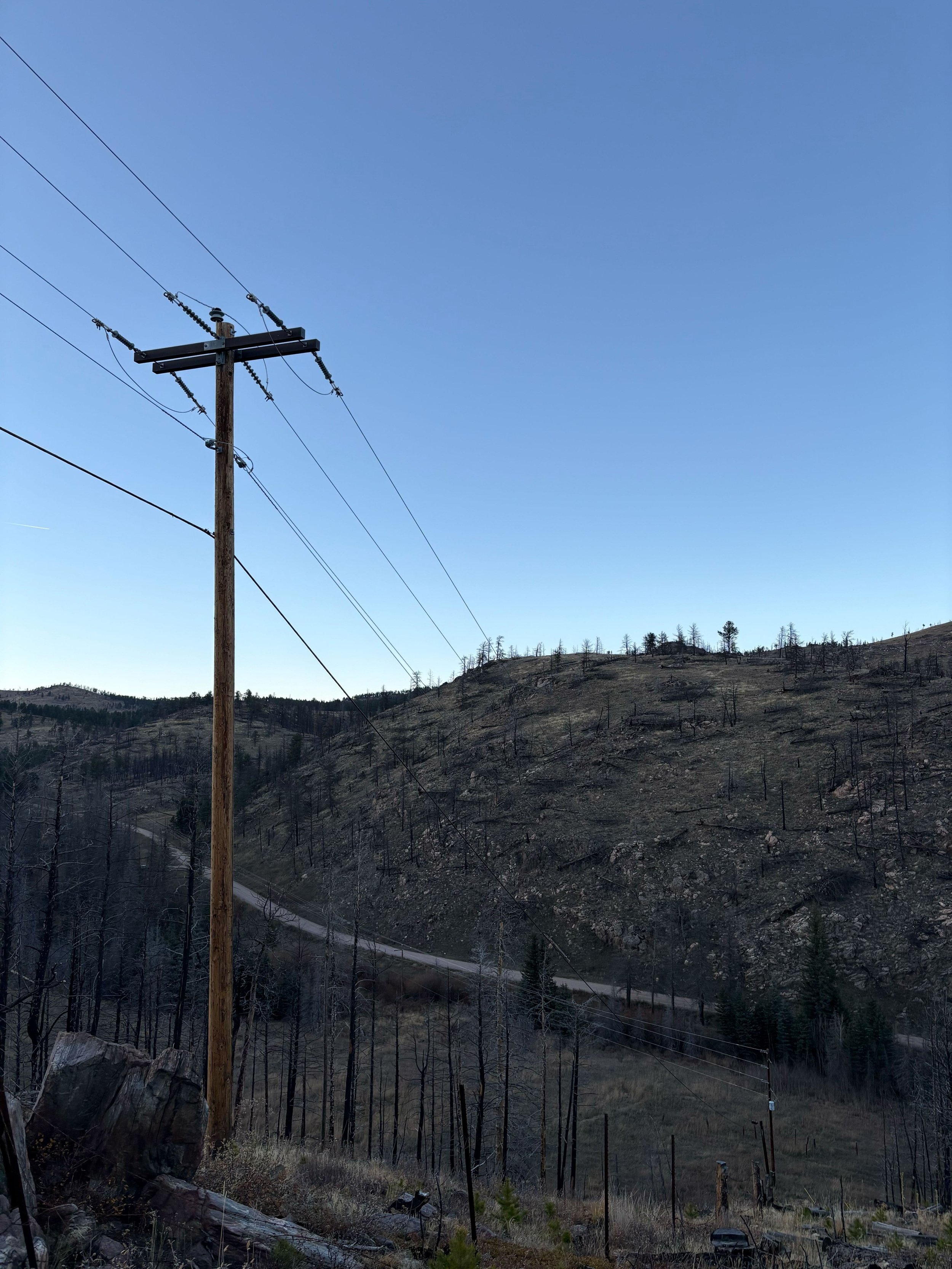
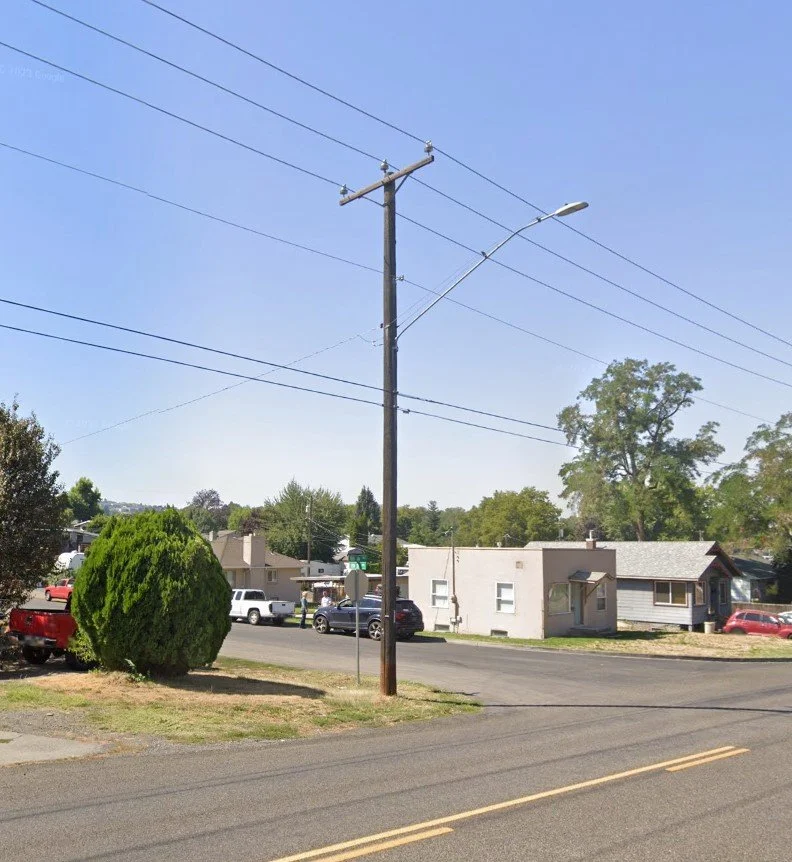
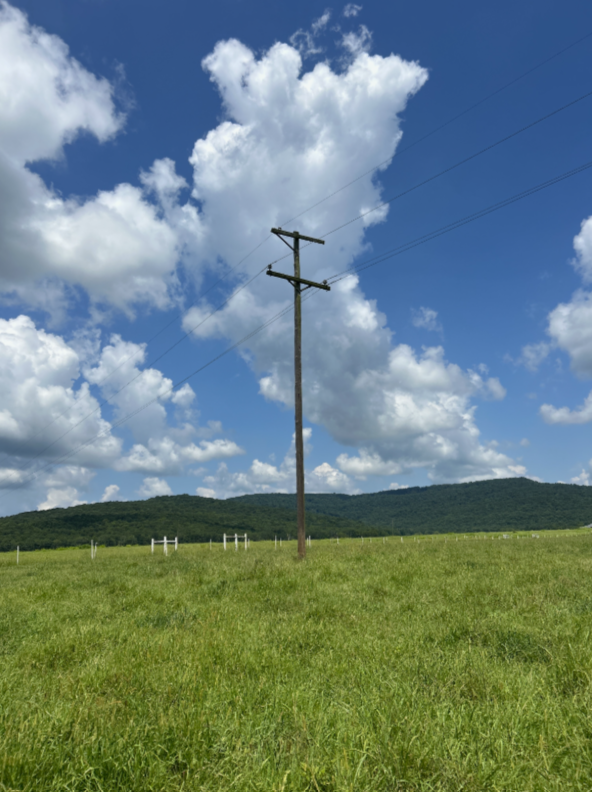
Sag is the vertical displacement of a conductor between support structures.
Tension is the horizontal force applied to the conductor as it spans between structures.
These two forces are directly related: changes in one affect the other. Temperature, span length, loading conditions, and conductor properties all influence their balance.
Why Sag & Tension Matter
Correct sag and tension ensure:
Required electrical and ground clearances are maintained
Mechanical loading stays within design limits
Structures are not overstressed
Conductors perform as intended over their service life
Factors that Affect
Sag & Tension
Sag and tension are dynamic, not fixed values. Key factors include:
Temperature variability (ambient vs conductor temperature)
Span length and geometry
Wind and ice loading
Conductor material and age
Installation method and timing
Because these variables change over time, both initial construction and periodic verification are necessary.
Establishing Proper Sag & Tension
During Construction
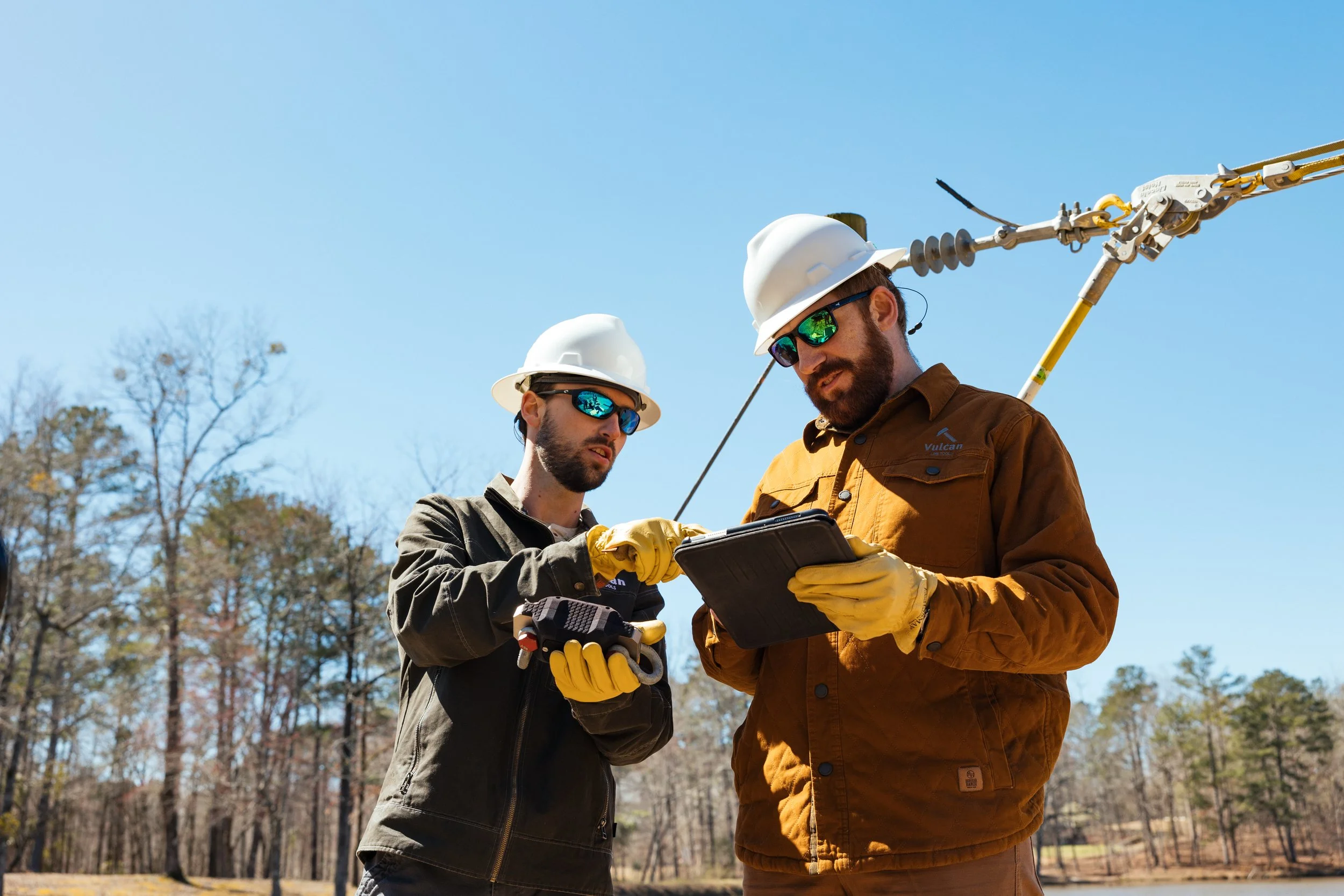
During stringing and clipping, crews must establish the correct tension to achieve target sag under specified conditions. This requires:
Accurate force measurement
Consistent procedures across spans
Adjustments based on environmental conditions
Errors at this stage often result in rework, schedule delays, or long-term performance problems.
During Maintenance
Over time, conductors experience creep, loading cycles, and environmental exposure. Maintenance teams use sag and tension measurements to:
Verify clearance compliance
Assess structural loading
Identify abnormal line behavior
Support uprating or reconductoring decisions
Measurement during maintenance must be fast, repeatable, and safe.
Measuring Sag & Tension
There are multiple ways to assess conductor behavior, each suited to different use cases.
Force Based Measurement
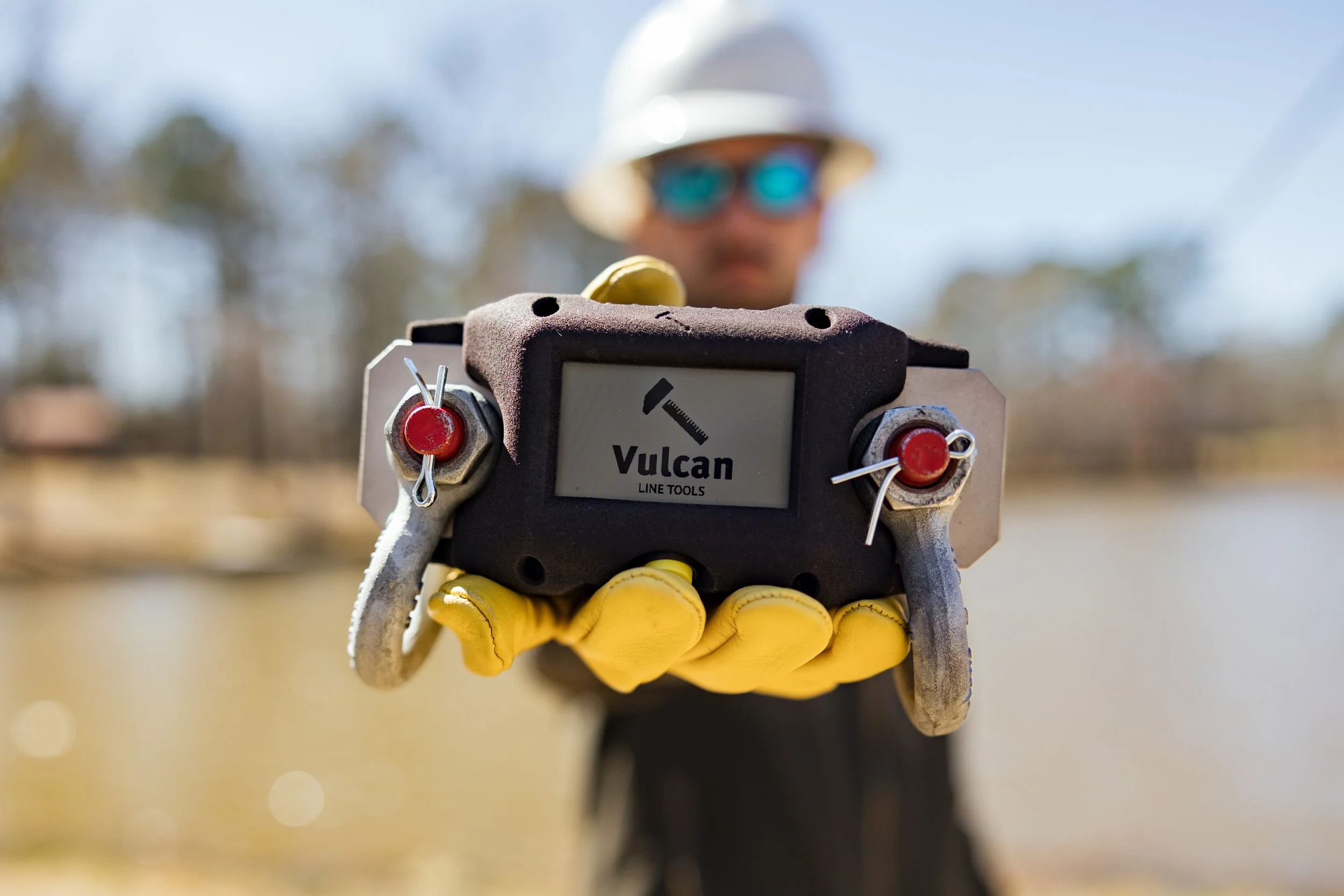
Dynamometers measure conductor tension directly during construction, adjustment, or maintenance. This method is reliable, widely accepted, and essential for controlled stringing operations.
Wave-Based Measurement
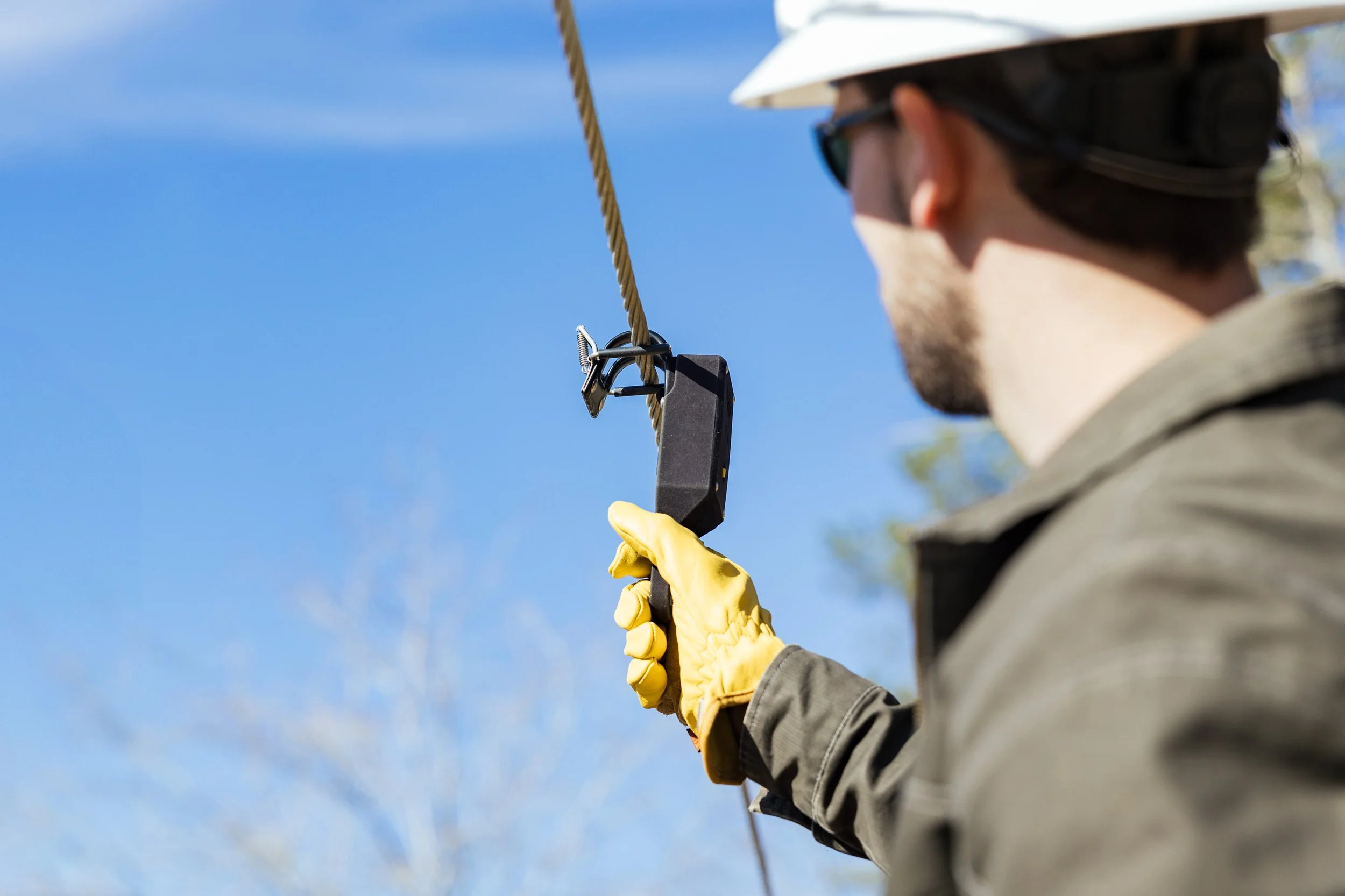
Wave-based methods analyze conductor motion to calculate tension without physically interrupting the line. This enables fast, non-intrusive measurement on energized or in-service lines.
Visual Measurement
Visual sag measurement uses an optical scope to align the conductor’s midspan with a predetermined target sag. Though subject to variance and error, this allows crews to verify sag with minimal effort.
Each approach serves important roles depending on access, safety constraints, and project phase.
VLT Tools for Sag & Tension
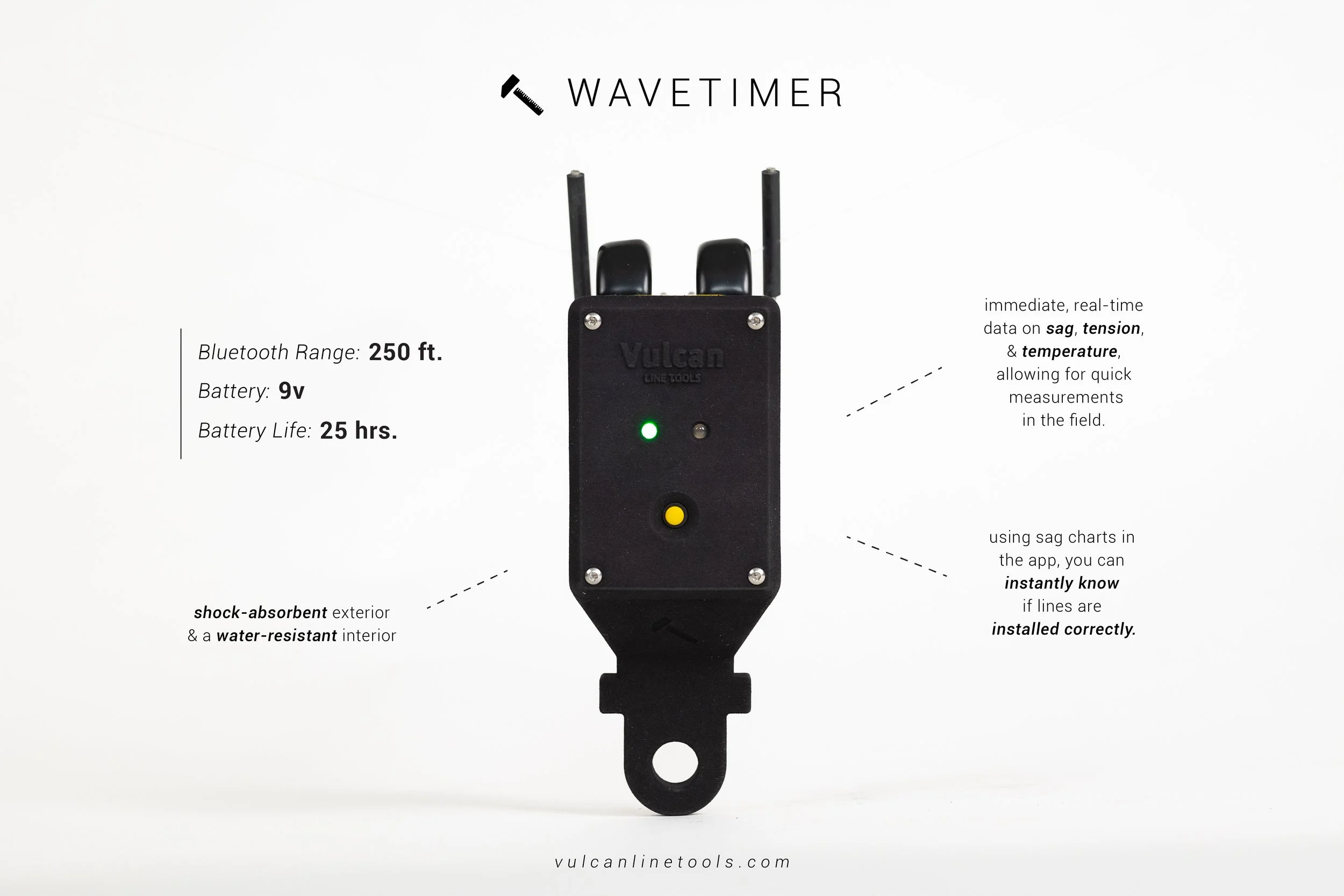
Vulcan Line Tools designs tools specifically for field use in real construction and maintenance environments.
Dynamometers provide direct, repeatable force measurements during stringing, clipping, and conductor adjustment, allowing crews to set and verify tension against design targets.
Available in 5k, 10k, and 20k lb ratings, they are commonly used to:
Establish target tension during stringing
Verify tension prior to clipping
Adjust conductors during maintenance or reconductoring
Their simplicity and direct measurement make them a standard tool for force-based sag and tension control in the field.
The WaveTimer measures conductor tension by analyzing wave behavior, providing a fast, non-contact method for tension verification on in-service lines.
It is commonly used to:
Verify tension during maintenance
Check conductor behavior without interrupting service
Assess sag and tension under real operating conditions
Its non-intrusive approach makes the WaveTimer well suited for verification and maintenance applications.
From Measurement to Decision
Build and verify work in the field
Sag and tension data supports:
- Construction verification
- Clearance compliance checks
Understand structural loading
- Structural and loading assessments
- Long-term reliability analysis
Plan maintenance with confidence
- Maintenance planning